
Description
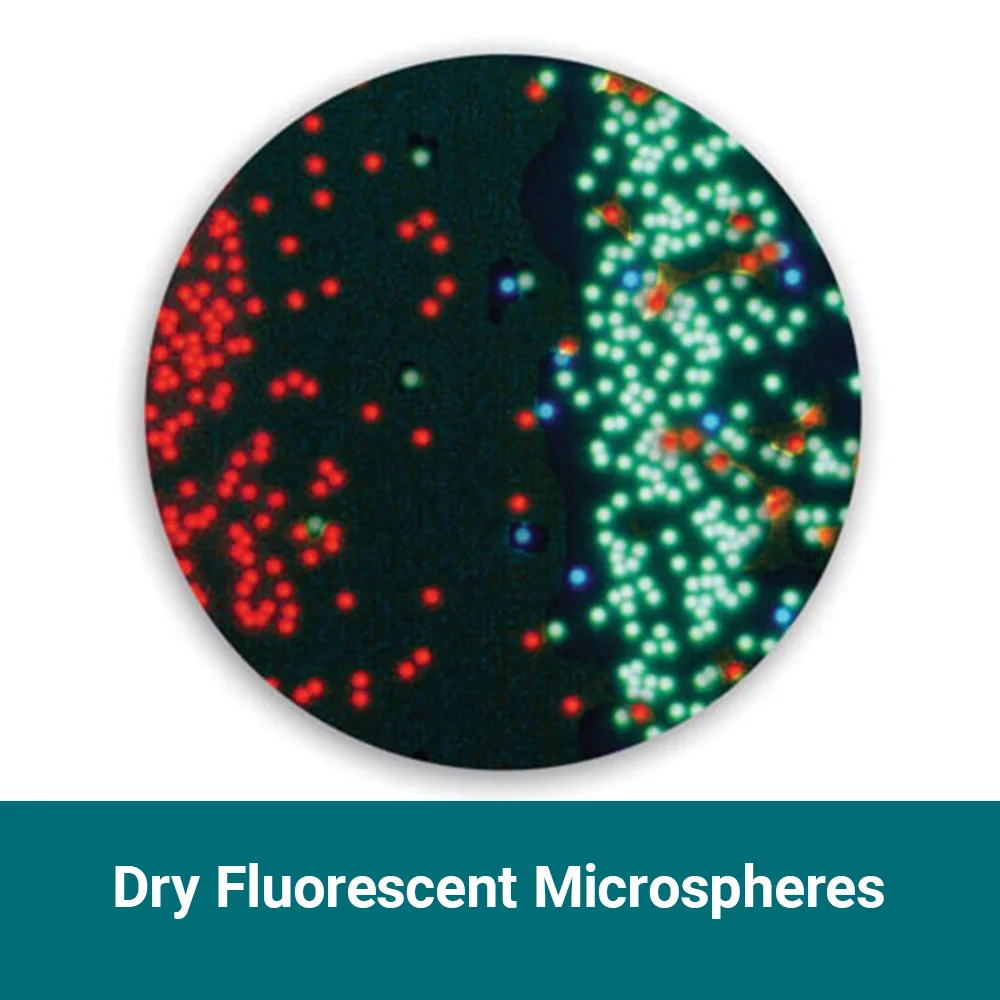
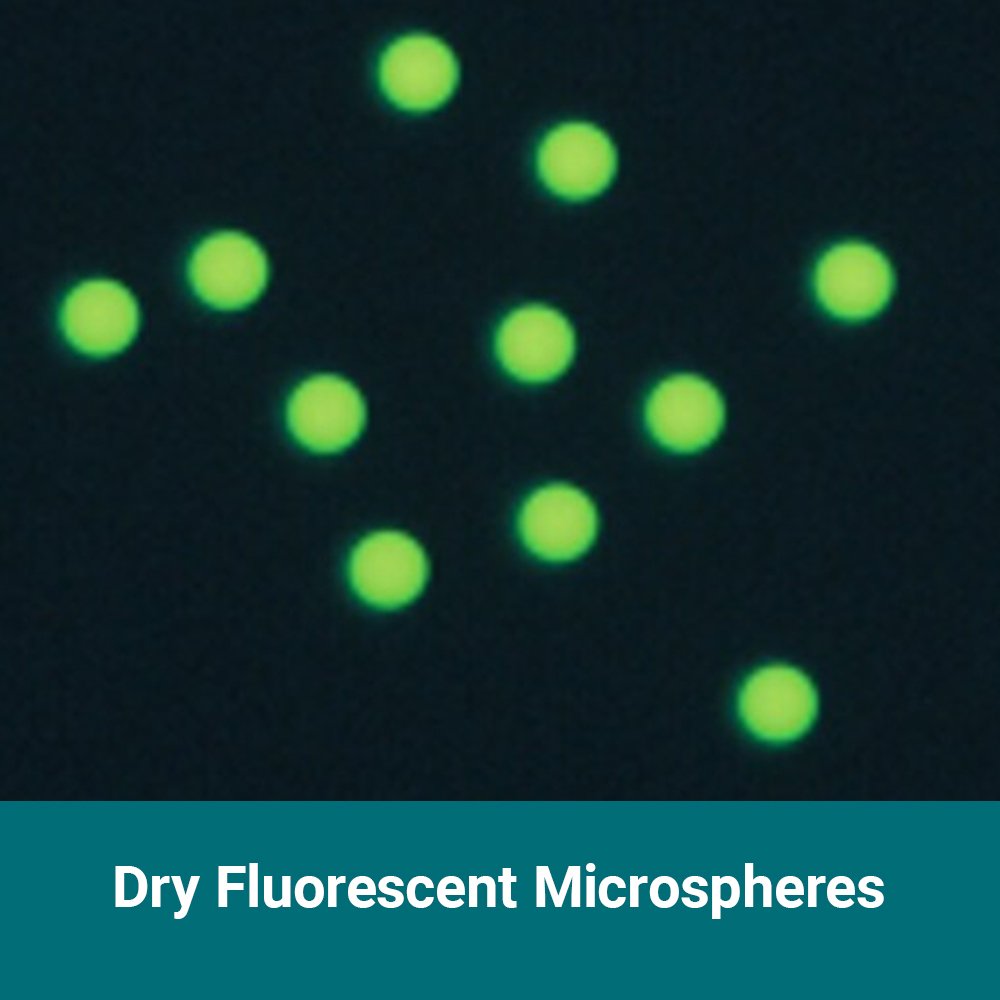
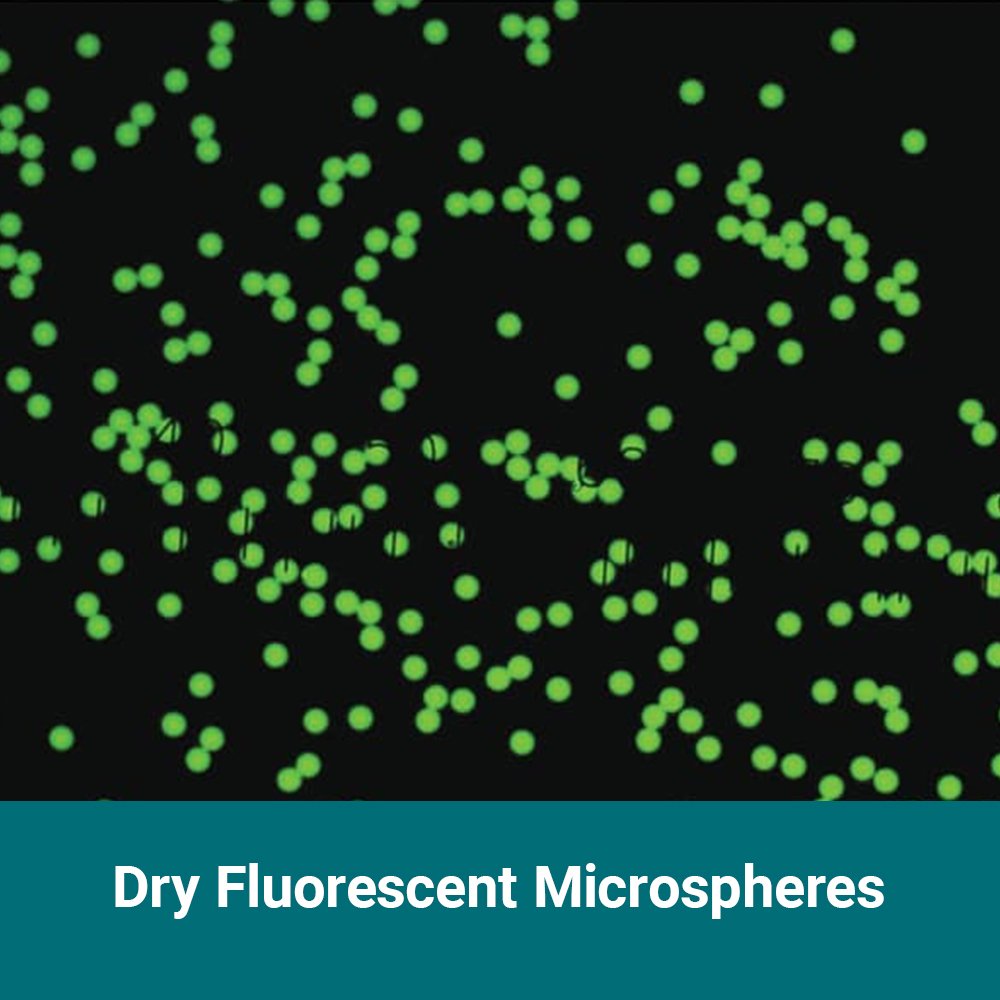
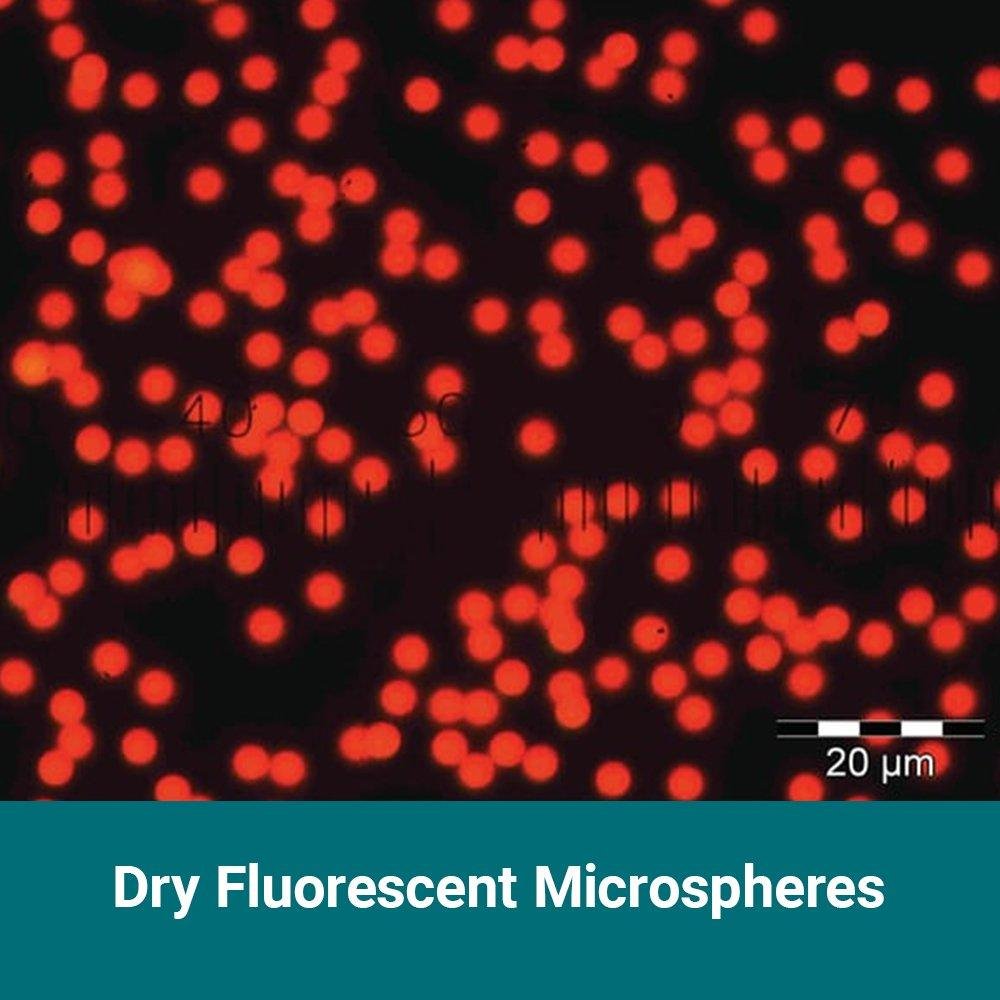
Engineered for superior performance, these dry particles are ideal for applications requiring aerosolization or reconstitution in custom solvents. Researchers and engineers rely on our fluorescent microspheres for calibrating flow cytometers, conducting particle image velocimetry (PIV) in fluid dynamics studies, fluorescence microscopy, and as tracers in environmental and biomedical research. They can be observed with a range of instruments, including epifluorescence and confocal microscopes.
Every batch is manufactured for uniform size and bright, consistent fluorescence, ensuring reliable and repeatable results. As a leading supplier, we provide NIST traceable size standards to guarantee accuracy. Browse our complete product list below to find the specific size, quantity, and color for your project and view detailed pricing.
| Specification | Detail |
| Contents | Dry dyed polystyrene (DVB) microspheres |
| Material | Polystyrene Divinylbenzene (PS-DVB) |
| Color | Green or Red |
| Dye Type | Green: Firefli Fluorescent Green (468/508nm) · Red: Firefli Fluorescent Red (542/612nm) |
| Diameter (Metric) Nominal | 5 μm – 160 μm (Green: 5–160 μm · Red: 5–100 μm) |
| Quantity | 1 g or 5 g |
| No. of Cells (per gram) | Varies by particle size — e.g. ~3.54 × 10⁶/g at 80 μm up to ~6.71 × 10⁷/g at 30 μm (smaller diameter = higher count) |
| Particle Density | 1.05 g/cm³ |
| Refractive Index | 1.59 at 589nm (25°C) |
| Uniformity | <6% to <11% depending on size |
| Stability | Product stable for a minimum of 24 months |
| Additive | May contain trace amount of dispersant |
| Includes | Package Insert Sheet |
| Product Type | Fluorescent Particle |
| Unit Size | Each |
What are the primary applications for Dry Fluorescent Microspheres?
Our fluorescent microspheres are widely used as reliable standards for instrument setup and calibration, particularly for flow cytometers and fluorescence microscopes. They are also essential tools in fluid tracing studies, aerosol research, and as markers in diagnostic tests and assays.
What is the difference between the green and red fluorescent particles?
The color corresponds to the particle’s peak emission wavelength. Green fluorescent microspheres are typically excited by a 488 nm laser and emit around 515 nm. Red microspheres are excited around 580 nm and emit around 620 nm. The best choice depends on the specific lasers and filters in your imaging system or flow cytometer.
How should I store the dry fluorescent microspheres?
For maximum shelf-life and to prevent photobleaching, store the dry microspheres in their original light-blocking container at room temperature. Avoid exposure to direct sunlight or intense artificial light for prolonged periods.
Can these dry particles be suspended in a liquid?
Yes. While supplied in a dry format for aerosol applications, they can be easily suspended in deionized water or other aqueous buffers. We recommend using a surfactant like Tween 20 in your buffer and vortexing or sonicating briefly to ensure a uniform, aggregate-free suspension.
Reviews
There are no reviews yet.